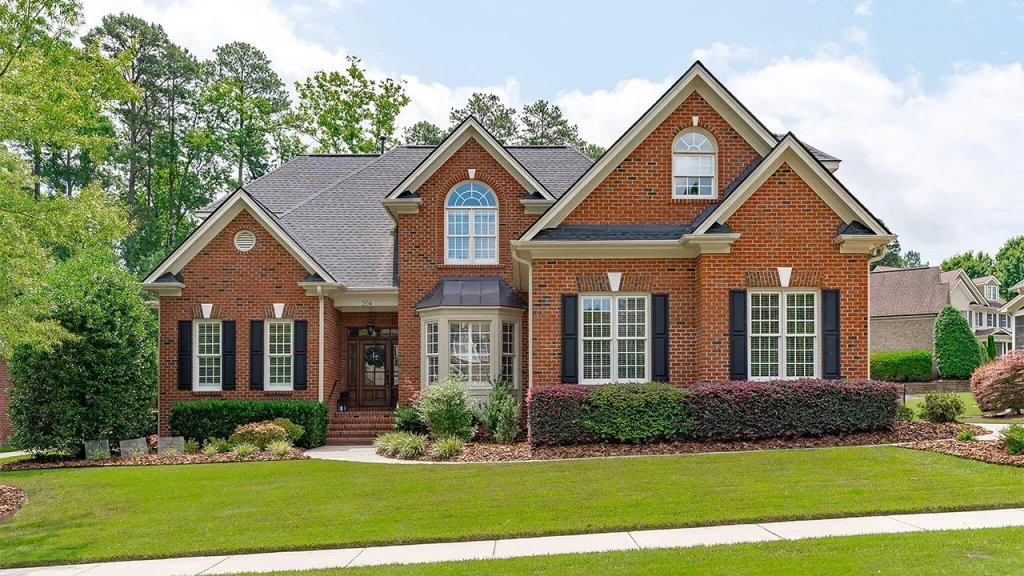

Many buyers focus on the sale price and expected mortgage payment. Yet, those numbers do not show the full cost of ownership. Still, taxes, fees, repairs, and moving costs can strain a tight budget. Dan Dennison – Master Realtor helps buyers review these costs before making a decision. Through home buying services in San Diego CA, I compare the price with the buyer’s needs, savings, and plans. The key question is not only can you afford to buy a home today. Yet buyers must know whether they can keep paying after life changes or if a repair arises. So, this blog explains the hidden costs of buying a home in steps. It covers upfront cash, monthly bills, local charges, and repair funds. With a full budget, buyers can avoid homes that cost too much.
Start With A Home Payment That Fits Daily Life
A lender may approve a loan that looks large on paper. Yet, the approved amount may not fit a buyer’s daily life. Food, health care, travel, child care, and savings still matter. Buyers should review all monthly costs before deciding how much they can afford to spend on a home.
Check The Full Cost Picture Before You Buy
A home affordability calculator can give a useful starting range. Yet it cannot know every family’s goal or every property’s cost. A strong home-buying budget should leave room for regular savings and unexpected bills. It should include the loan, taxes, insurance, fees, and upkeep. Since each home differs, buyers should update the numbers after a tour. The total cost of buying a house becomes clear when real fees replace guesses. A safe price should support life after closing.
Plan Cash Needed Before Home Buying Closing
Many buyers save for a down payment but miss other bills. So, the amount due at closing can feel much larger. First-time home buyer costs may include lender charges, appraisal, title work, escrow, and prepaid items.
So, a buyer should review:
- Down payment and closing costs as separate parts of the purchase.
- Closing costs for home buyers, including loan and transfer charges.
- Inspection, insurance, and moving payments.
- The full cash needed to buy a home, including money paid earlier.
Still, the loan estimate shows expected costs and cash to close. Yet, buyers should compare it with the closing disclosure.
Understand Every Part Of Your Mortgage Payment
The loan and interest do not show the full monthly cost of homeownership. So, buyers should review every part of the payment. A payment may include principal, interest, taxes, insurance, mortgage insurance, and association fees.
| Cost area | What it may cover | What buyers should check |
| Loan payment | Principal and interest | Rate, term, and loan type |
| Property taxes and homeowners insurance | Taxes and home coverage | Current estimate and possible changes |
| Private mortgage insurance cost | Lender protection on some loans | Monthly charge and removal rules |
| HOA fees and Mello-Roos | Community dues and special taxes | HOA records and the tax bill |
| Home upkeep | Repairs, services, and utilities | Monthly savings amount |
Mortgage insurance is often required for a down payment of less than 20 percent. Each loan has its own terms. So buyers should confirm every charge.
Local Fees That Change San Diego Home Buying Costs
Local charges can change a property’s real cost. A sale may cause reassessment and a separate supplemental tax bill. San Diego County states that this bill arrives separately from the regular property tax bill. Buyers should not assume escrow covers every new tax charge.
Yet, Mello-Roos can create another cost. The county defines it as a special assessment for schools, roads, and other public facilities. It appears as a community facilities district charge on the tax bill. As a home buyer agent San Diego CA, I help you understand which costs to review with your lender, HOA, or local tax office before making an offer. Dan Dennison – Master Realtor reviews HOA charges, Mello-Roos, insurance, repairs, and closing costs when comparing homes. Each amount needs to be reviewed for the chosen property.
How Repairs Can Turn A Low Home Price Costly
A low sale price may look attractive. Yet, worn systems can raise costs after closing. Buyers should include home maintenance and repair costs before deciding what feels affordable.
During a tour, buyers should consider:
- The age and visible state of major home systems.
- Signs that need review by a qualified inspector.
- Repairs that may affect safety, comfort, or insurance.
- Funds needed for smaller issues after moving.
My service includes spotting possible red flags during tours and coordinating inspections. Still, a Realtor does not replace a licensed inspector or repair expert. Still, buyers should request reports and review findings before removing contract protections. Since repairs have no set schedule, buying with no savings can create stress. So, a lower price is not always the lower-cost choice.
Use Mortgage Preapproval Safely When Setting Budget
Mortgage preapproval helps buyers learn what a lender may offer. Yet, it does not decide what feels safe each month. A lender reviews income, credit, debts, assets, and loan rules. The debt-to-income ratio for mortgage approval is one part of that review. Yet a lender may not know every household’s cost or savings goal.
Buyers should compare the approved payment with their real budget. They should ask how taxes, insurance, and fees affect the total. With help from Dan Dennison, a professional realtor in San Diego CA, buyers can review added costs before choosing a home. The lender must explain loan terms and approval rules.
Keep Extra Money Available After Closing Day
Closing day does not end home costs. Instead, it starts a new set of bills. A buyer may need money for repairs, moving, or basic home items. So, spending every saved dollar at closing can create risk.
A post-closing fund may help cover:
- An insurance deductible after covered damage.
- A failed appliance or urgent repair.
- A tax bill that was not part of escrow.
- Income loss or another family need.
The right savings amount depends on the home and household. Since no single number fits everyone, buyers should review their risks. Older systems may need more repair funds. A condo may carry a future special assessment. A larger home may cost more to heat, cool, and maintain. A useful reserve protects regular bills when a surprise appears.
Choose A Home Budget That Leaves Room To Live
A home should support a buyer’s life, not consume every available dollar. So, buyers need more than a sale price and a loan estimate. They need a clear view of cash due, monthly charges, local taxes, repairs, and savings after closing. A careful review can show when a property fits and when it creates too much strain. I help buyers compare these costs through my home buying services in San Diego CA, before they choose a property. I focus on the buyer’s needs, explain key steps, and flag costs that need more review. Yet, every buyer must confirm loan, tax, insurance, and inspection details with the right expert. A sound purchase starts with honest numbers. When the full cost fits, buyers can move forward with comfort and fewer money surprises.
Buying Process Steps To Review Total Home Cost
Finding a home within budget is only part of the work. I review each buyer’s goals, commute, budget, property needs, and future plans. With my home buying services in San Diego CA, I help buyers prepare for lenders, search for homes, attend tours, write offers, complete inspections, and reach closing. I compare the home’s price with HOA fees, Mello-Roos assessments, repairs, insurance, and closing costs.
I explain contract terms and point out risks early. Lenders, inspectors, insurance agents, and tax experts advise within their fields. Ready to plan your home purchase with confidence? Contact Dan Dennison – Master Realtor – at (858) 255-0052 for guidance and support.
Home Buying Cost FAQs For First Time Buyers
How To Know If You Can Afford To Buy A Home
A buyer can afford a home when the full payment fits without harming regular bills or savings. The budget should include taxes, insurance, fees, utilities, repairs, and future goals. Yet, loan approval alone does not prove comfort. Buyers should test the payment against normal months and hard months.
Hidden Home Buying Costs To Budget Before Closing
Buyers should plan for inspection, appraisal, lender charges, title work, escrow funds, prepaid insurance, taxes, moving, repairs, and utility setup. Yet, costs vary by loan and property. The Loan Estimate and Closing Disclosure show key loan charges. Buyers should ask about any amount they do not understand.
How Much Cash To Keep In Savings After Closing
No single amount works for every buyer. Yet, savings should cover likely repairs, an insurance deductible, regular bills, and an income gap. The home’s age and condition matter. Buyers should avoid spending every dollar at closing since a repair or separate tax bill may appear soon afterward.
What Mortgage Preapproval Really Includes In Your Payment
A preapproval may use estimates for taxes, insurance, and association fees. Yet, the actual property can change those numbers. Buyers should review the Loan Estimate and total monthly payment for the chosen home. They should ask the lender which costs are in escrow and which require separate payment.
How Maintenance And Repairs Impact Long Term Affordability
Maintenance and repairs raise the real cost of ownership. A home with older systems may need more savings, even with a lower sale price. So, buyers should review inspection findings and likely upkeep before deciding. A payment may fit, while needed repairs make the home too costly.
Expected Costs When Buying A Home In San Diego
San Diego buyers may face a down payment, loan charges, escrow funds, insurance, and property taxes. Other costs may include inspections, moving, HOA dues, and special assessments. A separate supplemental tax bill may follow reassessment. Yet, each property differs, so buyers should review loan papers, tax records, and HOA documents.
Budgeting HOA And Mello Roos Fees For San Diego Buyers
Some San Diego homes have HOA dues, Mello-Roos charges, or both. Yet, these costs do not apply to every property. Mello-Roos appears as a Community Facilities District charge on the tax bill. Buyers should review the tax record and HOA papers before judging the full monthly cost.